Boston
MARATHON PLANS
Pete’s Boston Marathon training plans are based on 30 years' experience training marathoners to successfully master the Boston course.
THE KEY TO MARATHON SUCCESS
The most important factors for marathon performance are building endurance to handle the marathon distance and improving lactate threshold pace (LT pace) to improve your marathon pace.
BOSTON MARATHON SPECIFICITY
Pete’s plans are built on a proven formula for handling the early downhills, the Newton Hills and the final 5 miles/8km to the finish on Boylston Street. At the core of Pete’s approach is a balance between aerobic strength and course-specific preparation.
1. ENDURANCE & durability
Endurance is developed through carefully planned long runs and progression long runs to marathon pace that build your capacity to sustain effort over the full distance. Improved durability allows you to maintain pace and resist fatigue.
2. LACTATE THRESHOLD PACE
Pete’s plans are designed to raise your LT pace through targeted workouts, including structured threshold sessions, progression long runs to marathon race pace, and two well-placed tune-up races. These sessions improve your ability to run faster for longer — a critical component of marathon performance.
3. RECOVERY
Just as importantly, each plan balances demanding workouts with appropriate recovery - a proven approach Pete has used to guide thousands of runners to personal best performances.
CHOOSE YOUR LEVEL
The 15-week training plans range from Level 2 (30-45 miles [48-72 km] per week) through to Level 5 (68–85 miles [109-137 km] per week).
Simply select the level that best aligns with your current training volume and experience.
-
The most important factors for marathon performance are building endurance to handle the marathon distance and improving lactate threshold pace (LT pace) to improve marathon pace. For success in Boston, add preparing your legs to handle the early downhills and then the ups and downs of the Newton Hills.
You’ll improve your ability to handle the marathon distance through carefully planned long runs, including 4 progression long runs simulating the Boston course, building to marathon pace. You will increase your LT pace through tailored lactate threshold workouts, the marathon pace long runs, and 2 tune-up races.
Plan Weekly MileageWeek 1: 30-34 miles (48-55km)
Builds to: 41-45 miles (65-72km)
Your plan includes:
4 runs and 1-2 optional sessions of aerobic cross-training per week
Lactate threshold workouts tailored for the Boston Marathon course
Progression long runs finishing at marathon race pace simulating running strong over the Newton Hills
Long run progression from 11-12 miles (18-19 km) to 19-21 miles (31-34 km) simulating the Boston course
VO2 max workouts including 1000m, 800m, and 600m intervals
Hard-easy training pattern with planned recovery weeks to reduce injury risk
2 tune-up races of 8K to 10K as training benchmarks
Running drill videos provided via Pfitzingercoaching.com
Pete’s 3-week progressive taper to optimize your energy level for Boston Marathon day
Daily coach’s notes describing each workout and guiding your marathon preparation
-
The most important factors for marathon performance are building endurance to handle the marathon distance and improving lactate threshold pace (LT pace) to improve marathon pace. For success in Boston, add preparing your legs to handle the early downhills and then the ups and downs of the Newton Hills.
You’ll improve your ability to handle the marathon distance through carefully planned long runs, including 4 long runs simulating the Boston course, building to marathon pace. You will increase your LT pace through tailored lactate threshold workouts, the marathon pace long runs, and 2 tune-up races.
Plan Weekly MileageWeek 1: 46-52 miles (74-84km)
Builds to: 56-62 miles (90-100km)
Your plan includes:
5-6 runs and 1 optional session of aerobic cross-training per week
Lactate threshold workouts tailored for the Boston Marathon course
Progression long runs finishing at marathon pace simulating running strong over the Newton Hills
Long run progression from 13-14 miles (21-22 km) to 19-21 miles (31-34 km) simulating the Boston course
VO2 max workouts including 1200, 1000m, and 800m intervals
Hard-easy training pattern with planned recovery weeks to reduce injury risk
2 tune-up races of 8K to 10K as training benchmarks
Running drill videos provided via Pfitzingercoaching.com
Pete’s 3-week progressive taper to optimize your energy level for Boston Marathon day
Daily coach’s notes describing each workout and guiding your marathon preparation
-
The most important factors for marathon performance are building endurance to handle the marathon distance and improving lactate threshold pace (LT pace) to improve marathon pace. For success in Boston, add preparing your legs to handle the early downhills and then the ups and downs of the Newton Hills.
You’ll improve your ability to handle the marathon distance through carefully planned long runs, including 4 long runs simulating the Boston course, building to marathon pace. You will increase your LT pace through tailored lactate threshold workouts, the marathon pace long runs, and 2 tune-up races.
Plan Weekly Mileage
Week 1: 59-66 miles (95-106km)
Builds to: 65-74 miles (105-119km)
Your plan includes:
6-7 runs and 1 optional session of aerobic cross-training per week
Lactate threshold workouts tailored for the Boston Marathon course
Progression long runs finishing at marathon pace simulating running strong over the Newton Hills
Long run stepwise progression from 15-16 miles (24-26 km) to 20-22 miles (32-35 km)
simulating the Boston course
VO2 max workouts including 1200, 1000m, and 800m intervals
Hard-easy training pattern with planned recovery weeks to reduce injury risk
2 tune-up races of 8K to 10K as training benchmarks
Running drill videos provided via Pfitzingercoaching.com
Pete’s 3-week progressive taper to optimize your energy level for Boston Marathon day
Daily coach’s notes describing each workout and guiding your marathon preparation
-
The most important factors for marathon performance are building endurance to handle the marathon distance and improving lactate threshold pace (LT pace) to improve marathon pace. For success in Boston, add preparing your legs to handle the early downhills and then the ups and downs of the Newton Hills.
You’ll improve your ability to handle the marathon distance through carefully planned long runs, including 4 long runs simulating the Boston course, building to marathon pace. You will increase your LT pace through tailored lactate threshold workouts, the marathon pace long runs, and 2 tune-up races.
Plan Weekly Mileage
Week 1: 68-76 miles (109-122km)
Builds to: 76-85 miles (122-137km)
Your plan includes:
7-9 runs and 1 optional session of aerobic cross-training per week
Lactate threshold workouts tailored for the Boston Marathon course
Progression long runs finishing at marathon pace simulating running strong over the Newton Hills
Long run progression from 15-16 miles (24-26 km) to 20-22 miles (32-35 km) simulating the Boston course
VO2 max workouts including 1200, 1000m, and 800m intervals
Hard-easy training pattern with planned recovery weeks to reduce injury risk
2 tune-up races of 8K to 10K as training benchmarks
Running drill videos provided via Pfitzingercoaching.com
Pete’s 3-week progressive taper to optimize your energy level for Boston Marathon day
Daily coach’s notes describing each workout and guiding your marathon preparation
WHAT’S INCLUDED
Training designed to prepare you for the specific demands of the Boston Marathon course.
Level 2-4 training plans for runners with “intermediate” mileage and experience; and level 5 for high mileage runners with “advanced” experience
Stepwise increases in long run distance and training volume for optimal marathon preparation·
Lactate threshold workouts tailored for the Boston Marathon course
Progression long runs finishing at marathon race pace simulating running strong over the Newton Hills
Daily coaches’ notes explaining each workout
Pete’s proven hard-easy training pattern with strategically planned recovery weeks to reduce injury risk
Optional cross-training sessions
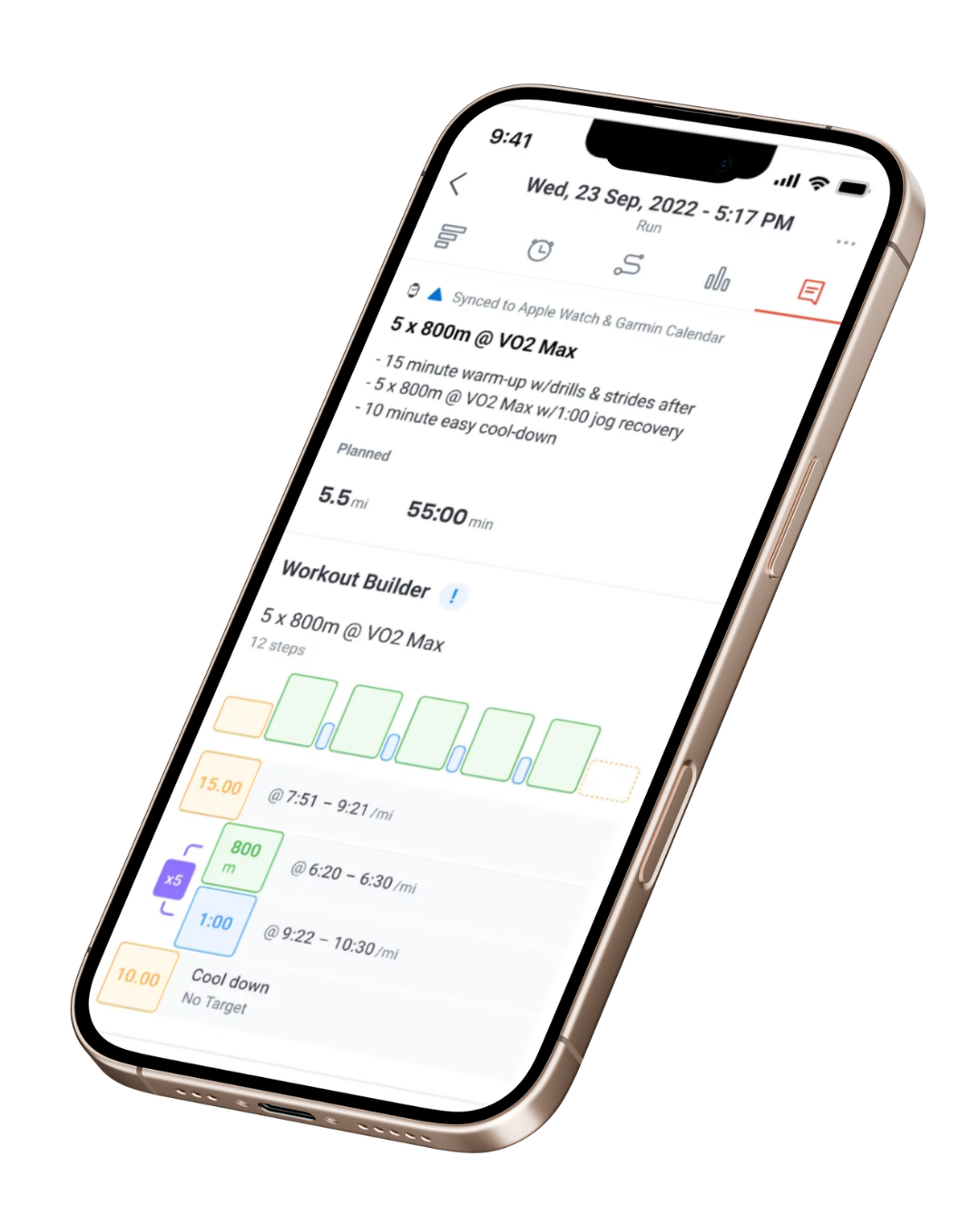
Easy access to your training plan anytime, anywhere via the Final Surge app
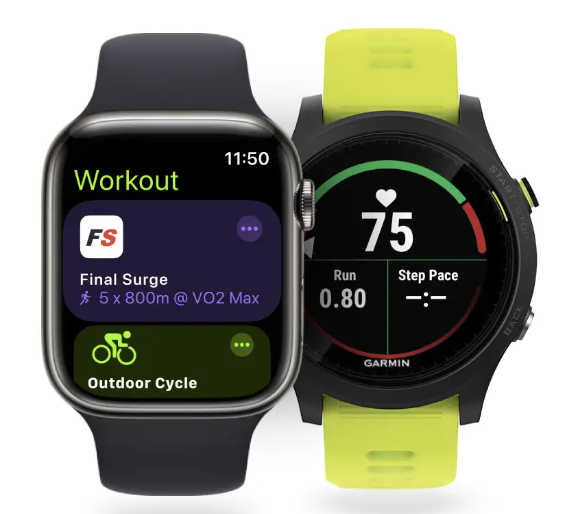
Seamless integration with all major training platforms, apps, and devices, including Garmin, Strava, Polar, Suunto, Apple Watch, COROS, Wahoo, Stryd, MapMyRun, RunGap, and more
Each plan is available as miles-based or kilometer-based